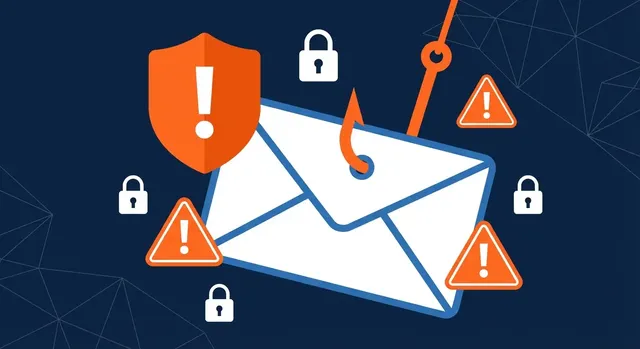

Phishing remains the single most common way attackers get into a UK small business. It does not take a sophisticated hack; it takes one convincing email and one busy person clicking once. The good news is that a handful of straightforward habits will stop the overwhelming majority of attempts before they cause any harm.
What a phishing email is really trying to do
Most phishing has one of two goals: steal a password, or trick someone into making a payment. The message creates a sense of urgency, a late invoice, a locked account, a parcel that needs a fee, so you act before you think. Slowing down is half the battle.
Five habits that stop most attacks
- Check the sender address, not just the display name. A friendly name can hide a strange domain.
- Hover over links before you click and read the real destination.
- Never enter your password on a page you reached from an email link. Go to the site directly.
- Turn on multi-factor authentication everywhere it is offered.
- When a payment or detail change is requested, verify it by phone using a number you already trust.
Make your team your strongest defence
Tools help, but trained people stop attacks. Short, regular awareness training turns your team from the weakest link into a reliable last line of defence. If you would rather hand the whole problem to a UK team that monitors threats around the clock, our managed cyber security service covers monitoring, email protection, staff training and incident response under one fixed monthly price.